Opera Signature: A Refined Handwritten Font for Every Project
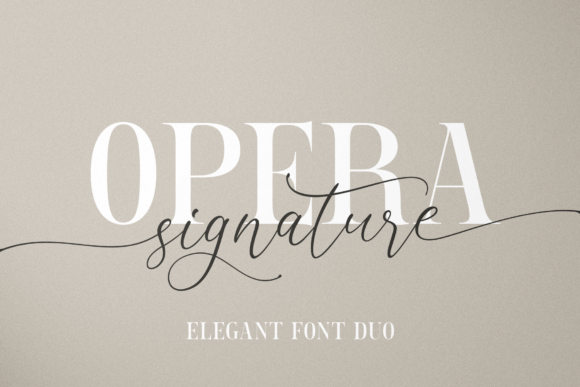
Opera Signature is a duo font that blends the elegance of a handwritten script with the sophistication of a serif typeface. Its unique combination makes it an ideal choice for anyone looking to add a touch of class and personality to their designs. Whether you're working on a personal project or a professional document, Opera Signature offers versatility and style that can elevate your work.
This font is PUA encoded, which means you have easy access to all its glyphs and swashes without needing special software. That’s a big plus for designers who want to experiment with different styles and variations. The font's design allows for seamless integration into a wide range of projects, from branding materials to digital content.
Why Opera Signature Stands Out
Opera Signature isn’t just another font—it’s a tool that can transform how your message is perceived. Its handwritten quality adds a personal touch, while the serif elements provide a sense of tradition and refinement. This balance makes it suitable for both formal and casual settings.
The font’s structure is clean and legible, even at smaller sizes, making it a great option for body text in print or digital formats. Its swashes and ligatures give it a distinctive flair, perfect for headings, logos, or any element that needs to stand out.
One of the key strengths of Opera Signature is its adaptability. It works well in both modern and classic contexts, allowing you to maintain a cohesive visual identity across different platforms and media. Whether you're designing a website, creating a brochure, or developing a brand, this font can help you achieve a polished and professional look.
Practical Applications of Opera Signature
For professionals in creative fields, Opera Signature can be a valuable addition to their design toolkit. Graphic designers might use it for logos, banners, or social media graphics, where a custom feel is essential. Marketers can leverage its elegance to craft compelling headlines or promotional materials that capture attention.
Entrepreneurs and small business owners can benefit from Opera Signature when building their brand identity. Using it in business cards, letterheads, or packaging can create a memorable impression that sets them apart from competitors. The font’s readability ensures that important information remains clear and accessible.
In educational settings, Opera Signature can be used to create engaging learning materials. Teachers or educators might incorporate it into presentations, handouts, or course outlines to make content more visually appealing. Its refined style can also be useful for academic publications or research papers that require a professional appearance.
Bloggers and content creators can use Opera Signature to enhance their visual storytelling. Whether designing a blog header, adding a signature to a post, or creating a custom banner, the font can add a personal and artistic touch to their online presence.
Benefits Beyond Aesthetics
Beyond its visual appeal, Opera Signature offers practical benefits that can improve the overall user experience. Its legibility ensures that readers can easily engage with the content, whether it's a website, a printed document, or a digital advertisement. This is especially important in environments where clarity and readability are crucial.
The font’s versatility also contributes to efficiency. Designers can use it across multiple projects without worrying about consistency or compatibility. This streamlines the design process and helps maintain a unified look across different materials and platforms.
Opera Signature can also enhance communication by adding a human element to written content. In a world dominated by digital interactions, using a handwritten-style font can make messages feel more personal and authentic. This can be particularly effective in marketing campaigns, customer communications, or social media posts.
Considerations When Using Opera Signature
Before incorporating Opera Signature into your projects, consider the context and audience. While it’s highly versatile, it may not be suitable for every situation. For example, in highly technical or data-heavy documents, a more neutral font might be preferable for readability.
It’s also important to test the font in different sizes and formats to ensure it performs well. Some fonts can lose clarity at smaller sizes or in certain backgrounds, so experimenting with placement and spacing is recommended.
When using Opera Signature in commercial projects, be sure to check licensing terms to ensure compliance. Most fonts allow for use in various applications, but understanding the specific rights associated with the font can prevent potential issues down the line.
Final Thoughts on Opera Signature
Opera Signature is more than just a font—it’s a design asset that can bring character, elegance, and personality to your work. Its blend of handwritten charm and serif structure makes it a powerful tool for professionals and creatives alike. Whether you're working on a personal project or a large-scale campaign, this font has the potential to make a lasting impact.
If you’re looking for a font that combines style with functionality, Opera Signature is definitely worth exploring. Its ease of use, aesthetic appeal, and practical benefits make it a valuable addition to any designer’s or creator’s toolkit. With the right application, it can help you communicate more effectively and leave a stronger impression on your audience.