Hardware: A Timeless Handwritten Font for Creative Expression
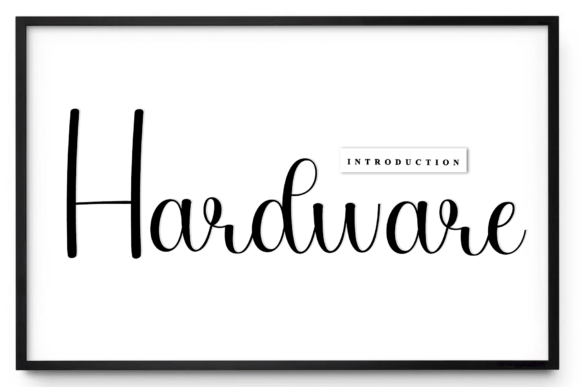
In the world of typography, few fonts manage to capture both elegance and personality as effectively as Hardware. This handwritten font has a unique charm that sets it apart from more rigid or mechanical typefaces. With its flowing lines and organic feel, Hardware brings a sense of warmth and authenticity to any design project. Whether you're creating a logo, designing a brand identity, or adding a personal touch to a quote, Hardware offers a versatile and expressive solution.
Understanding Hardware: What Makes It Unique?
Hardware is not just a font—it's a style that conveys emotion and character. Each letter is crafted with a distinct hand, giving it an almost artistic quality. Unlike many digital fonts that aim for uniformity, Hardware embraces imperfections, making it ideal for projects that seek to stand out. The font’s natural flow and subtle variations make it feel more human, which can be especially appealing in branding and marketing materials.
The design of Hardware is inspired by traditional handwriting, but with modern refinements that ensure readability across different sizes and formats. Its curves are smooth yet deliberate, and its strokes vary in thickness, mimicking the movement of a pen on paper. This combination of structure and spontaneity makes it a favorite among designers who want to add a personal touch without sacrificing professionalism.
Key Features of Hardware
- Handwritten Aesthetic: Hardware replicates the look of real handwriting, making it perfect for personal or creative projects.
- High Readability: Despite its organic style, Hardware remains legible even at smaller sizes, ensuring it works well in various contexts.
- Versatile Usage: From logos to social media posts, Hardware can be used in multiple formats and platforms.
- Unique Character: Each letter has a distinct shape, offering visual interest and differentiation from other fonts.
Where Can You Use Hardware?
Hardware is particularly well-suited for projects that benefit from a personal or artistic flair. Here are some common applications:
- Branding and Logos: Businesses looking to create a memorable and approachable brand identity often turn to Hardware for its friendly and distinctive look.
- Marketing Materials: Posters, flyers, and social media graphics can use Hardware to draw attention and convey a sense of creativity.
- Quotes and Inspirational Text: Whether it's a motivational quote or a wedding invitation, Hardware adds a touch of elegance and individuality.
- Personal Projects: Artists, writers, and creators may use Hardware to give their work a more authentic and handmade feel.
Its versatility also means it can be used in both digital and print formats. For example, a designer might use Hardware for a website header, while a graphic artist could incorporate it into a poster or packaging design.
Who Benefits from Using Hardware?
While Hardware is popular among designers, it also appeals to a broader audience. Here are some groups that may find it particularly useful:
- Small Business Owners: Entrepreneurs who want to build a brand with a personal touch often choose Hardware for its warm and inviting appearance.
- Content Creators: Bloggers, YouTubers, and social media influencers can use Hardware to enhance the visual appeal of their content.
- Artists and Designers: Those working in creative fields appreciate the font’s artistic qualities and ability to add depth to their designs.
- Event Planners: Wedding invitations, event banners, and promotional materials can benefit from the font’s elegant and expressive style.
Whether you're looking to make your brand stand out or simply want to add a personal touch to your work, Hardware offers a stylish and functional solution.
Strengths and Considerations When Using Hardware
Hardware has several strengths that make it a valuable addition to any designer’s toolkit. Its unique character and readability are major advantages, especially for projects that require a balance between creativity and clarity. However, there are also some considerations to keep in mind:
- Not Ideal for All Contexts: While Hardware is great for creative or personal projects, it may not be suitable for formal or professional documents where a more structured font is preferred.
- Requires Proper Formatting: Because of its organic style, Hardware may need careful spacing and alignment to ensure it looks clean and professional.
- Font Licensing: Users should check licensing agreements to ensure they have the right to use Hardware in their specific projects, especially if it's for commercial purposes.
Despite these limitations, Hardware remains a strong choice for those looking to add a human touch to their designs. Its ability to evoke emotion and create a sense of connection makes it a powerful tool in the right context.
Real-World Applications of Hardware
Let’s explore a few practical examples of how Hardware can be used in different scenarios:
- Brand Identity: A boutique coffee shop might use Hardware for its logo to reflect a cozy, artisanal vibe. The font helps convey the brand’s personality and creates a memorable impression.
- Social Media Graphics: Influencers and content creators often use Hardware in their captions or visual content to add a personal and engaging element.
- Wedding Invitations: Couples may choose Hardware for their wedding stationery to give it a romantic and heartfelt feel, making the event feel more personal.
- Product Packaging: A small business selling handmade goods could use Hardware on product labels or packaging to emphasize the craftsmanship and uniqueness of their items.
These examples illustrate how Hardware can be adapted to different needs and audiences, making it a flexible and effective choice.
How to Evaluate If Hardware Is Right for Your Project
Before choosing Hardware, consider the following factors:
- Project Purpose: Ask yourself what message you want to convey. If you’re aiming for a casual, creative, or personal tone, Hardware could be a good fit.
- Target Audience: Think about who will see your design. If your audience values authenticity and individuality, Hardware may resonate well with them.
- Design Requirements: Ensure that Hardware aligns with the overall style of your project. It may not work well with highly technical or minimalist designs.
- Technical Compatibility: Check that your software or platform supports Hardware and that it displays correctly across different devices.
By carefully evaluating these aspects, you can determine whether Hardware is the best choice for your specific needs.