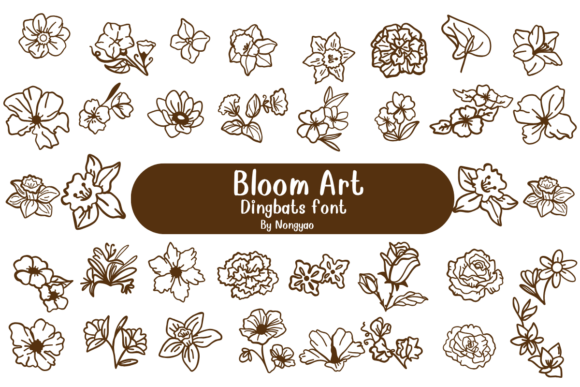
Bloom Art: A Unique Typographic Bloom
Bloom Art is more than just a font—it's a visual expression of creativity and individuality. With its handcrafted, organic feel, this typeface brings a sense of warmth and personality to any design project. Whether you're working on a logo, editorial layout, or social media graphic, Bloom Art adds a distinctive touch that stands out from the crowd.
Designed for those who value both aesthetics and functionality, Bloom Art combines the fluidity of a script font with the clarity of a sans serif. Its strokes are smooth yet expressive, making it ideal for projects that require a balance between readability and artistic flair. The font's versatility allows it to shine in both digital and print formats, offering a fresh alternative to more conventional typefaces.
Where Bloom Art Shines
Bloom Art excels in creative and branding projects where a personal, authentic look is desired. It’s particularly effective in logo design, where its unique character can help establish a memorable brand identity. For editorial design, it works well as a headline font, adding visual interest without overwhelming the reader.
In packaging design, Bloom Art can elevate product labels and branding elements, giving them a custom, hand-crafted appearance. It also pairs beautifully with other fonts in web design and social media graphics, allowing for dynamic and engaging layouts. Whether you're creating a website, a poster, or a marketing campaign, Bloom Art offers a fresh and inviting presence.
Understanding Readability and Brand Perception
While Bloom Art is a display font, it maintains a level of readability that makes it suitable for a variety of applications. Its open letterforms and consistent stroke weight ensure that it remains legible even at smaller sizes. However, it's best used in short phrases or headlines rather than long blocks of text.
The font's personality plays a significant role in how it influences brand perception. Its organic, hand-drawn style evokes a sense of approachability and creativity, making it an excellent choice for brands that want to convey a human, artisanal feel. When used consistently across design assets, Bloom Art helps reinforce brand recognition and build a cohesive visual identity.
Choosing the Right Font for Your Project
Selecting the right font involves understanding your project's goals and audience. If you're aiming for a modern, clean look, Bloom Art may not be the best fit. But if you're looking for something that feels personal and expressive, it could be a perfect match.
Evaluate how the font aligns with your overall design strategy. Test different font pairings to see how Bloom Art interacts with other typefaces. For example, pairing it with a simple sans serif can create a balanced contrast, while using it alongside another script font might result in a cluttered appearance.
Consider the commercial licensing terms before using Bloom Art in professional projects. Ensure that the font's license covers your intended use, whether it's for print, digital, or web applications. Always review the included styles—Bloom Art often comes in multiple weights and variations, each suited for different design needs.
Practical Tips for Using Bloom Art
When working with Bloom Art, start by experimenting with different sizes and spacing. The font looks best when given enough room to breathe, so avoid overcrowding text elements. Pay attention to how it appears in both light and dark backgrounds, as contrast can significantly affect its visual impact.
For digital projects, test the font on various devices and screen resolutions to ensure it renders clearly. In print, check how it performs at different sizes and on different paper stocks. These small details can make a big difference in the final outcome.
Use Bloom Art strategically to highlight key messages or add a unique touch to your designs. It's especially effective in callout text, headings, and decorative elements. Avoid overusing it, as too much of a good thing can dilute its impact.
If you're unsure about how to incorporate Bloom Art into your work, look for inspiration in design portfolios, typography blogs, and social media platforms. Observing how others use similar fonts can provide valuable insights and help you make more informed design decisions.