Blooming: A New Style of Handwritten Elegance
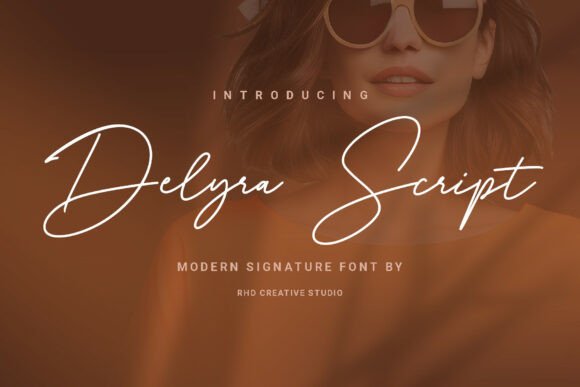
In the world of typography, where precision and structure often dominate, there’s a growing appreciation for fonts that evoke a sense of human touch and artistic expression. One such font that has captured attention is Blooming, a unique handwritten script that redefines modern elegance through its fluid, signature-like motion. Designed for those who value both beauty and functionality, Blooming offers a refreshing alternative to rigid typefaces, bringing a sense of warmth and sophistication to any design.
What Makes Blooming Unique?
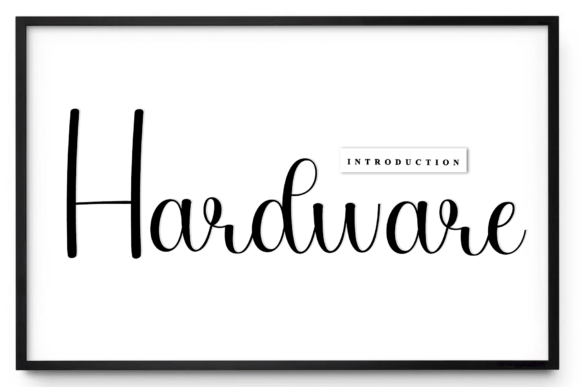
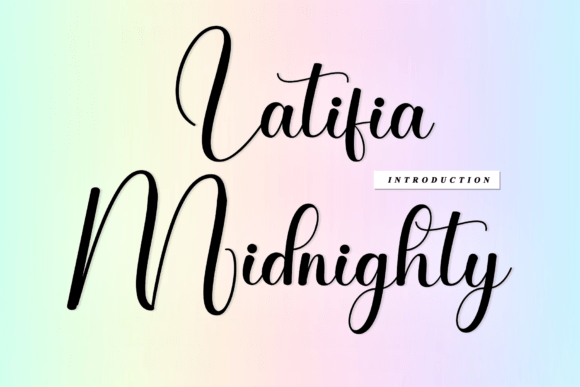
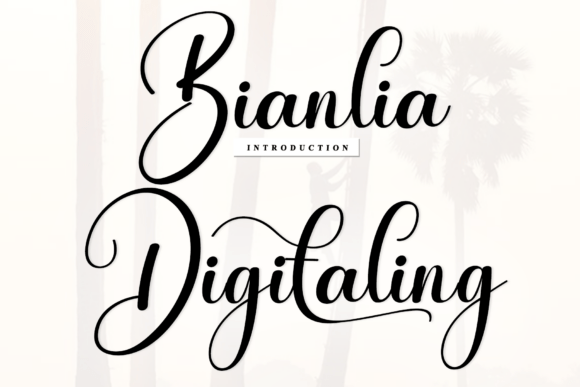
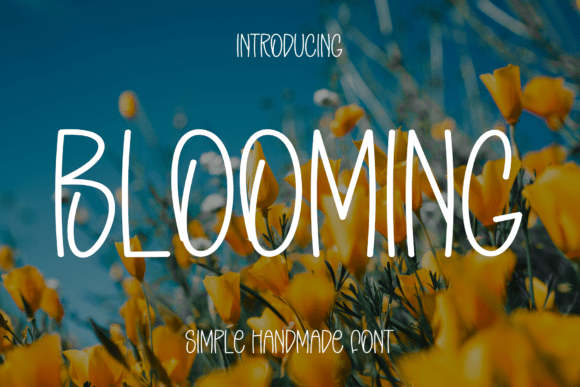
Blooming stands out due to its distinctive visual rhythm and organic flow. Unlike traditional serif or sans-serif fonts, it mimics the natural movement of a pen on paper, creating an impression of spontaneity and artistry. The font features tall ascenders and graceful, sweeping loops that give it a dynamic, almost musical quality. Each letter seems to dance across the page, offering a visual experience that feels both refined and approachable.
This balance between structure and fluidity makes Blooming particularly appealing for projects that require a personal touch. Whether it's a logo, a wedding invitation, or a high-end magazine layout, the font adds a layer of sophistication without sacrificing readability.
The Purpose and Value of Blooming
At its core, Blooming is designed to enhance visual storytelling. It serves as a bridge between the digital and the handmade, allowing designers to infuse their work with a sense of authenticity. For brands that aim to convey luxury, creativity, or individuality, this font can be a powerful tool in communicating their identity.
One of the key values of Blooming lies in its versatility. It works well in both print and digital formats, making it suitable for a wide range of applications. Its elegant curves and subtle variations in stroke weight add depth and character, helping to elevate the overall aesthetic of any project.
Where Can You Use Blooming?
Blooming is ideal for a variety of creative and commercial uses. Here are some common scenarios where it shines:
- Luxury branding: High-end fashion, beauty, and lifestyle brands often use Blooming to create logos and marketing materials that exude class and refinement.
- Wedding stationery: From invitations to place cards, Blooming adds a romantic and personalized touch to special occasions.
- Editorial content: Magazine covers, book titles, and editorial layouts benefit from the font’s visual appeal, making text more engaging and memorable.
- Personal branding: Artists, designers, and entrepreneurs can use Blooming to create a distinctive and professional look for their websites, business cards, and social media profiles.
Its adaptability also means that Blooming can be used in conjunction with other fonts to create a balanced and cohesive design. Pairing it with a clean sans-serif typeface, for example, can help maintain readability while still showcasing the font’s artistic qualities.
Strengths and Considerations
One of the main strengths of Blooming is its ability to convey emotion and personality. It’s not just a font—it’s a style that can influence how a message is perceived. However, like any design element, it’s important to use it thoughtfully.
While Blooming is highly readable in larger sizes, it may not be the best choice for long blocks of text. In such cases, it’s advisable to pair it with a more conventional font to ensure clarity. Additionally, because of its decorative nature, it may not be suitable for all types of content, especially those requiring a more formal or neutral tone.
Another consideration is the availability of the font. Blooming may not be included in standard software packages, so users will need to download and install it separately. This can sometimes be a barrier for those who are not familiar with font management tools.
Real-World Applications of Blooming
Let’s explore a few real-world examples of how Blooming can be effectively used:
- Brand identity: A boutique skincare company might use Blooming in its logo and packaging to communicate a sense of care, elegance, and craftsmanship.
- Event invitations: A wedding planner could incorporate Blooming into custom invitations, adding a touch of romance and personalization that sets them apart from mass-produced options.
- Portfolio presentations: An artist or designer might use Blooming in their online portfolio to highlight their work in a visually striking way.
- Marketing campaigns: A luxury travel agency could use Blooming in its promotional materials to evoke a feeling of exclusivity and adventure.
These examples illustrate how Blooming can be tailored to meet specific needs, enhancing the visual impact of any project while maintaining a level of professionalism.
Evaluating Suitability for Your Projects
Before deciding to use Blooming, it’s important to consider your specific goals and audience. Ask yourself questions like:
- Does the font align with the tone and message of my project?
- Will it be easily readable in the intended format?
- Is it appropriate for the target audience?
- Do I have access to the font and the necessary tools to use it effectively?
By answering these questions, you can determine whether Blooming is the right choice for your needs. If it fits well, it can add a unique and memorable quality to your work.
In conclusion, Blooming is more than just a font—it’s a design philosophy that celebrates the beauty of handwriting in a digital age. Whether you’re a designer, a business owner, or a creator looking for a fresh and elegant way to express your ideas, Blooming offers a compelling option that combines artistry with practicality. With its fluid motion and sophisticated charm, it’s a font that continues to inspire and elevate the visual language of modern design.